Quick & Effective Steps to Kill Pool Algae
Step 1: Manually Vacuum Your Pool
Automatic pool cleaners aren’t ideal for removing algae. Instead, manually vacuum your pool using the "Waste" setting on your filter to prevent the contaminated water from circulating back.
Pay extra attention to algae-heavy areas. Also, ensure you maintain the water level by refilling as needed during vacuuming.
Step 2: Brush Pool Surfaces
Scrubbing algae off pool walls and floors helps chlorine penetrate deeper, making it more effective in killing the spores. Use a stiff-bristle pool brush attached to a pole, focusing on corners, steps, and shady spots where algae thrive.
For concrete or gunite pools, use a brush with stainless-steel bristles. For vinyl and fiberglass pools, opt for a softer nylon-bristle brush to avoid damage.
Step 3: Test and Balance Water Chemistry
Using test strips or a liquid test kit, check and adjust the pH, alkalinity, and chlorine levels. Properly balanced water ensures your sanitizer is fully effective against algae.
pH should be between 7.2 and 7.6
Chlorine should be around 3-5 ppm
Alkalinity should be between 80-120 ppm
Step 4: Shock Your Pool
A high dose of chlorine shock is necessary to kill off remaining algae spores. Follow these tips for best results:
Use calcium hypochlorite shock for green algae.
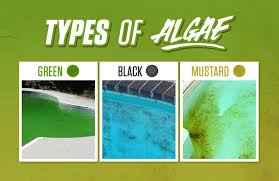
Apply double or triple shock for mustard or black algae.
Shock the pool at night to prevent sunlight from breaking down chlorine too quickly.
Step 5: Circulate and Filter
Run your pool pump continuously for at least 24-48 hours after shocking. This ensures that the chlorine spreads evenly and the filter catches dead algae particles. Clean or backwash the filter frequently during this process.
Step 6: Use an Algaecide
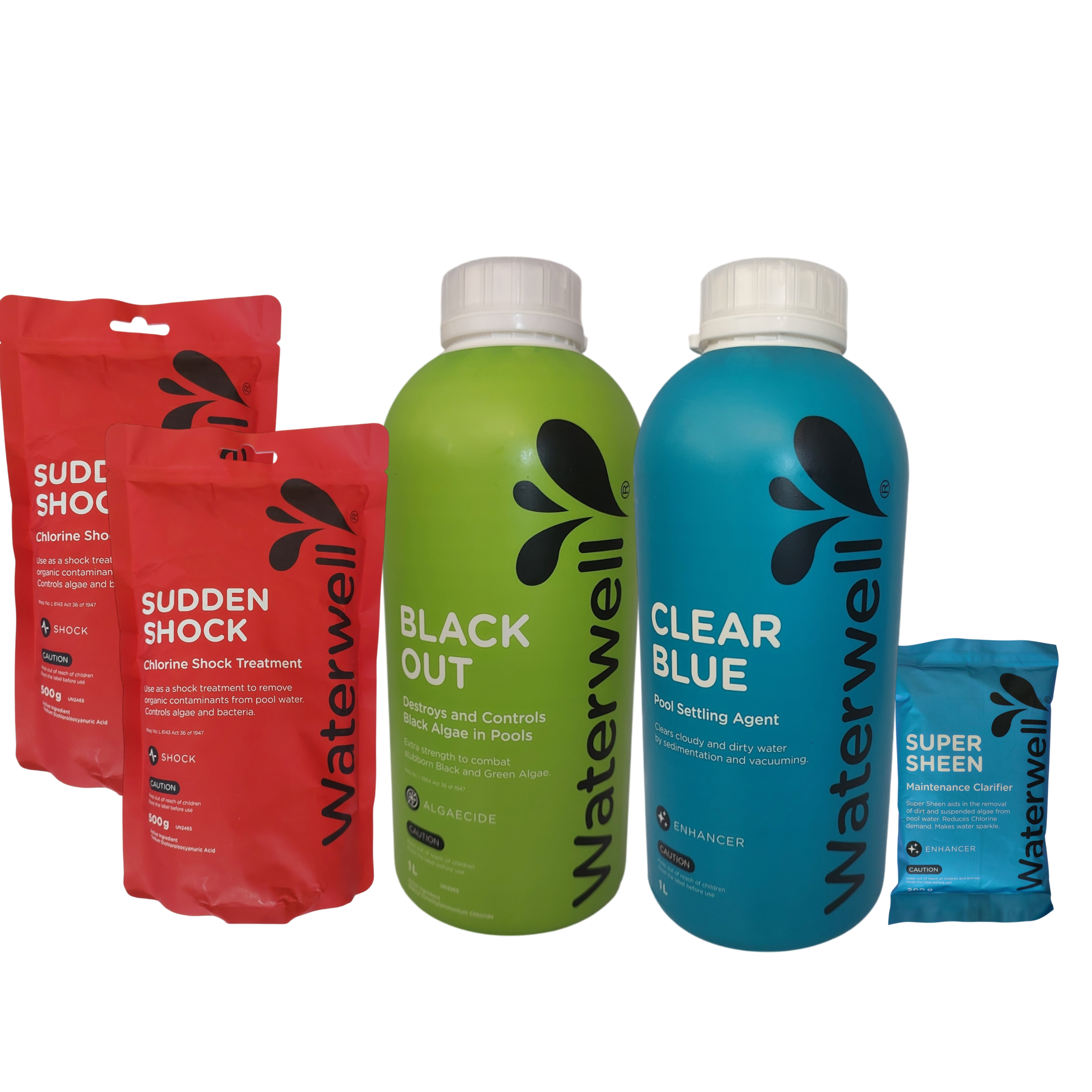
Adding an algaecide after shocking your pool helps prevent future algae outbreaks. Choose a polyquat or copper-based algaecide for best results.
Keep Your Pool Algae-Free
Once you've eliminated algae, keeping it away requires ongoing maintenance:
Test water regularly to ensure proper chlorine and pH levels.
Run your pool pump daily for at least 8-12 hours.
Brush and vacuum weekly to prevent algae buildup.
Use an algaecide periodically as a preventive measure.
By staying proactive, you can enjoy a crystal-clear pool all season long—without battling pesky algae!
 NATIONWIDE DELIVERY




 FLOATERS
 GREEN TO BLUE (ALGAECIDES)
 POOL CARE/MAINTENANCE KITS
 POOL PUMPS
 SPECK POOL PUMPS
 AQUAMAX POOL PUMPS
 POOL FILTER SAND/GLASS
 EARTHeCO SAND FILTERS
 EARTHeCO SAND FILTER SPARES
 POOL CARTRIDGE FILTERS
 COLLINS SAND FILTER SPARES
 VOYAGER POOL CLEANER
 GEMINI POOL CLEANER
 KREEPY KRAULY DOMINATOR
 ZODIAC MX8 POOL CLEANER
 ZODIAC AX20 ACTIV POOL CLEANER
 ZODIAC PACER POOL CLEANER
 ZODIAC G2 POOL CLEANER
 ZODIAC G6 POOL CLEANER


